WPC Fence Installation Services in Concord, NC
WPC Fence Installation Kings provides WPC fence installation, composite privacy fence installation, and composite slat fence replacement services in the Concord, NC area for both residential and commercial properties, from slot-in slat kits to board-on-rail fences. Contact us now for a free estimate.
How Much Does WPC Fence Installation Cost in Concord, NC?
WPC fence installation in Concord, NC costs anywhere from $3,680 to $7,820 on average for about 150 feet of 6 foot privacy fence. The price depends on the fence length and height, the number of gates, capped or uncapped boards, the post system, slope and rocky soil, and whether an old fence has to come out first.
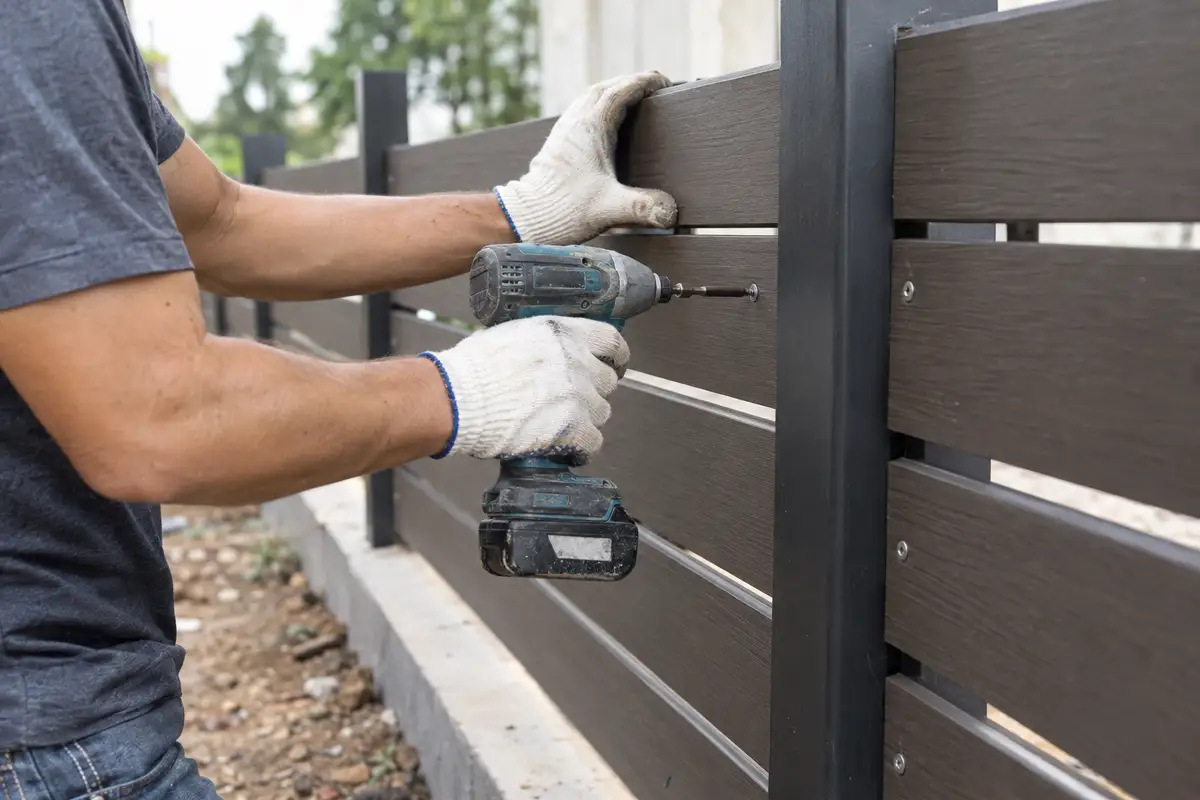
What Is a WPC Fence?
WPC stands for wood plastic composite. The boards are wood fiber blended with recycled plastic and UV inhibitors, so they look like wood but don't rot, splinter, or need staining.
Do You Install WPC Fences at Homes and Businesses?
Yes, we install WPC fences at houses, townhomes, rental properties, offices, and other commercial sites. Let us know the property type and roughly how many feet of fence you need.
Do You Service My Area?
Yes, we cover the Concord, NC area. Send us the property address and we'll confirm.
Can You Install WPC Fence Panels I Bought Online?
Yes, we install kits customers buy themselves. Send us the brand and the installation sheet, and check that every box came from the same batch, since boards from different runs can differ in color.
How Soon Can You Start My WPC Fence?
We can usually start once the material is on site and 811 has marked the underground utilities, which typically takes a few business days. Tell us if you need the fence by a set date.
What Information Do You Need for a WPC Fence Quote?
We need the address, the length and height of the fence, how many gates, and photos of the fence line. Tell us about any slope, old fence, trees, or concrete along the route.
Will I Need to Be Home During the Installation?
No, as long as we can reach the yard and you've approved the layout. It helps to be there on the first morning when we mark the post locations and gate swing.
Do I Need a Permit for a WPC Fence?
Yes, in many towns. Some require a permit for any new fence and others only above a set height, with fees typically $50 to $300. Your local building office decides, and we can tell you what's usually required.
Will My HOA Allow a Composite Fence?
Yes, many do, but HOAs often set rules on fence height, color, style, and which side faces out. Get written approval before we order material, because WPC boards can't be painted to match later.
Can I Install a WPC Fence on the Property Line?
Yes, if local rules allow it, but some towns require a setback. If you're not sure where the line is, a survey before we dig avoids moving posts later.
Can I Get a Price Before the Work Begins?
Yes, we confirm the price before starting. If we hit rock, old concrete footings, or roots while digging, we talk to you before doing any extra work.
How Long Does WPC Fence Installation Take?
A typical 150 foot fence takes a crew about 2 to 4 days. The post concrete usually needs a day or two to set before the boards go in.
How Long Does a WPC Fence Last?
A good WPC fence typically lasts 20 to 30 years, compared with about 15 to 20 for a wood fence. Warranty terms vary by maker, and we confirm them when you choose your boards.
Is a WPC Fence Worth It Compared to Wood?
Yes, if you plan to stay a while. WPC costs more upfront, but you skip regular staining and it lasts longer, so it often breaks even in roughly 8 to 12 years. We can price both so you can compare.
Which Is Better for a Fence, WPC or Vinyl?
WPC is the better pick if you want a wood look. It looks and feels more like real wood, while vinyl is lighter and usually costs a little less. Tell us the look you're after.
Can You Install a 6 Foot WPC Privacy Fence?
Yes, 6 feet is the most common height we install. The slats stack tight between a bottom and top cap, so there are no gaps to see through.
Can You Build an 8 Foot WPC Fence?
Yes, where local rules allow it. We use longer, stronger posts and deeper footings for 8 feet, and it typically costs 25 to 50 percent more per foot than a 6 foot fence.
Can You Install a Horizontal Slat WPC Fence?
Yes, most WPC kits stack the boards sideways into grooved posts.
Can You Install a WPC Fence With Aluminum Posts?
Yes, aluminum posts are the usual choice for slot-in WPC kits.
Can You Install a WPC Gate?
Yes, we install matching WPC gates on a metal frame. Gates typically run $250 to $1,200 each installed depending on width, and double drive gates need heavier posts.
Can You Replace My Old Wood Fence With WPC?
Yes, we take out the wood fence and install WPC in its place. Old posts usually come out, since rotting wood posts won't last as long as the new boards.
Do You Haul Away the Old Fence?
Yes, removal and disposal can be part of the job. It typically adds $3 to $8 per foot, and more if the old posts are set in large concrete footings.
Can You Put WPC Boards on My Existing Fence Posts?
Yes, if the posts are sound, plumb, and spaced to suit the boards. We screw aluminum channels to the inside faces and slide the slats in. Tell us what the posts are made of and how old they are.
Can You Install a WPC Fence on a Slope?
Yes, we either step the bays down the hill or rake them to follow the grade by cutting the bottom slat. Tell us roughly how much the ground drops along the fence line.
Can You Install a WPC Fence in Rocky Soil?
Yes, though rock and roots slow the digging and can add roughly $5 to $15 per foot. We'll tell you if we expect it after seeing photos of the ground.
Can You Install a WPC Fence on a Patio or Concrete Slab?
Yes, we can bolt posts to base plates with masonry anchors. That works on solid concrete in sheltered spots, but on open or windy sites we prefer posts set in footings.
Can You Install a WPC Fence in a Windy or Coastal Area?
Yes, but a solid privacy fence catches a lot of wind. On exposed sites we set posts deeper and add aluminum reinforcing inserts inside the boards so they don't flex or sag.
Can You Install a WPC Fence Around a Pool?
Yes, in most cases, but pool fences must meet local barrier rules on height, gaps, and self-closing, self-latching gates. Tell us it's for a pool so we check the code before ordering.
Can You Install a WPC Fence in Winter?
Yes, in most cases, as long as the ground isn't frozen where we dig. Cold slows the concrete cure, so the boards may go in a few days later.
Do I Need to Call 811 Before You Dig?
No, we request the 811 locate before digging. It marks gas, electric, water, and cable lines, but not private lines like sprinklers or landscape lighting, so point those out to us.
Should I Clear the Fence Line Before You Arrive?
Yes, if you can. Move planters, furniture, and stored items at least a few feet back from the line, and tell us about any shrubs you want kept.
How Deep Do You Set the Posts for a WPC Fence?
Usually at least a third of the fence height, so about 2 feet or more for a 6 foot fence, and below the frost line where the ground freezes. We follow the kit maker's specs when they call for more.
Why Do WPC Fence Boards Need Gaps?
WPC expands in heat and shrinks in cold. We leave a few millimeters between each board end and the post so boards don't buckle on hot days, and let them sit in your yard first to adjust.
Is Capped WPC Better Than Uncapped WPC?
Yes, for most yards. Capped boards have a plastic shell over the core that resists fading, staining, and mold better, while uncapped boards cost less but weather faster.
Will a WPC Fence Fade?
Yes, some. Uncapped boards can lighten noticeably in strong sun, while capped boards with UV inhibitors in the shell fade much less.
Can I Install a WPC Fence Myself?
Yes, a handy owner can do a short run, but it's a multi-day job with a helper. Posts set slightly off in line or spacing leave bays the boards won't slide into, so many owners have us set the posts.
How Do I Clean a WPC Fence?
We suggest mild soap, warm water, and a soft brush, then a rinse with a hose. A pressure washer under 1,500 psi held back about a foot is fine, but skip bleach and solvents.
Will Mold or Algae Grow on a WPC Fence?
Yes, on shaded or damp stretches. Soap, water, and a soft brush usually remove it.
Can I Paint or Stain a WPC Fence?
No, it isn't recommended. Paint doesn't bond well to composite, can void the warranty, and WPC can't be sanded and refinished like wood, so we help you pick a color you'll want to keep.
